

The world of casinos is often depicted as vibrant and exhilarating, drawing individuals in with promises of excitement and potential financial gain. The psychology behind this allure can be traced to several core motivations. Primarily, players are often driven by the thrill of risk-taking and the anticipation of winning, which can include finding best non gamstop casinos 2026. This excitement can trigger the release of dopamine, a neurotransmitter associated with pleasure and reward, making the experience more addictive over time.
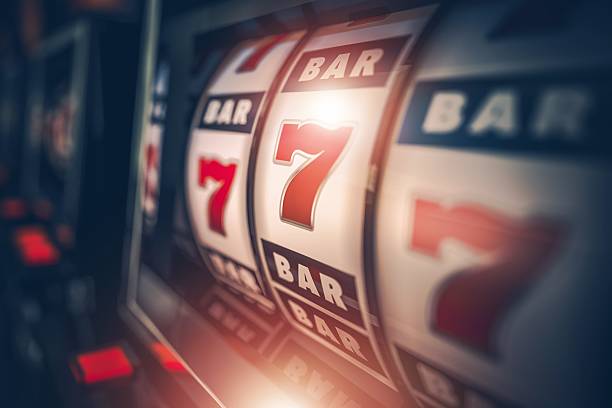
Moreover, many individuals view gambling as a form of escapism. By immersing themselves in the casino environment, players can temporarily detach from their daily stresses and responsibilities. This psychological aspect can lead to prolonged gaming sessions, as they seek to prolong the pleasurable escape that the casino offers, often blurring the lines between entertainment and compulsion.
The design and layout of casinos play a crucial role in shaping gaming behavior. From the placement of machines to the ambient sounds and lighting, every element is meticulously crafted to create an enticing atmosphere. Research indicates that certain colors and sounds can evoke emotional responses that enhance the gaming experience. For example, the ringing of slot machines and the bright lights can evoke notions of success, making players more likely to continue playing.
Additionally, the absence of clocks and windows in many casinos is a deliberate strategy to disorient players regarding time. This tactic encourages longer stays as individuals become engrossed in the thrills of gaming without the external reminders of real-world obligations. Such environmental manipulation has profound implications for gambling behavior, contributing to extended gaming sessions and increased potential for monetary loss.
Social dynamics also significantly influence casino gaming behavior. Many individuals find enjoyment in the communal aspect of gambling, where players can share their experiences with friends or fellow gamblers. This social interaction can foster a sense of belonging, making the gaming experience more enjoyable and reinforcing the desire to return.
Furthermore, the presence of other players can induce a competitive atmosphere that may enhance individual performance and willingness to gamble. Social norms within casinos often encourage players to engage in riskier behaviors, as they may feel pressured to conform to the actions of those around them. This aspect of social psychology highlights how collective enthusiasm can lead to increased gambling expenditures and a deeper entrenchment in gaming cultures.
The interplay between psychological factors and economic decision-making is a crucial element in understanding casino gaming behavior. Gamblers often fall victim to cognitive biases that affect their judgment. For instance, the “gambler’s fallacy” leads players to believe that past outcomes will influence future results, creating a false sense of control over their betting decisions. This can result in continued play even after a series of losses.
Additionally, many players exhibit a tendency towards loss aversion, which causes them to chase losses by increasing their bets in hopes of recouping lost funds. This behavior not only heightens the risk of financial loss but also can create a vicious cycle of chasing rather than a rational assessment of their gaming strategy. Understanding these behavioral economic principles can offer insights into why many find themselves caught in the relentless cycle of gambling.

As we explore the psychological factors influencing casino gaming, it’s essential to address the growing movement towards responsible gambling. Awareness campaigns and community initiatives aim to educate players about the potential risks and psychological effects of excessive gaming. Organizations are working to foster environments where individuals can enjoy gaming while also recognizing the signs of problematic behavior.
By promoting community engagement and offering resources for responsible gaming, stakeholders can help ensure that individuals can enjoy the social aspects of casinos without falling into destructive patterns. These efforts are vital in creating a balanced approach to gaming that recognizes both its allure and potential pitfalls, ensuring that the joy of gaming can coexist with safety and responsibility.